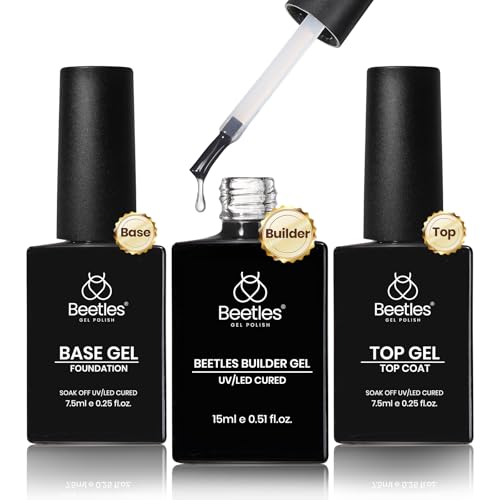
Builder gel nails are the most requested “natural but strong” service I do. They sit between gel polish and acrylic: lighter than acrylic, more structured than polish, and flexible enough for real life. The full system overview lives in the Builder Gel Atlas — the pillar that links to every tutorial, comparison, and troubleshooting fix below.
What builder gel actually is
Builder gel is a self-leveling gel that creates structure and an apex. BIAB is builder gel in a bottle. Hard gel is a stronger, file-off version. The simplest way to read the landscape is the overview, which separates marketing terms from chemistry.
How to use it
Good builder gel comes down to prep, a controlled slip layer, and a balanced apex. The step-by-step tutorial walks through the eight steps I use on clients, including the cure-time habits that prevent lifting, heat spikes, and soft spots.
How to remove it without damage
Removal is where most damage happens. The safe method is file down, soak, and lift gently — never peel. The full removal protocol is in the removal guide; for a no-drill workflow see no-drill removal.
The four common problems (and the real fixes)
Comparing systems
People want trade-offs, not definitions. Each comparison stays neutral and is based on real wear: vs acrylic, vs polygel, vs Gel-X, vs dip powder.
Buying — kits and standalone gels
The kit rankings live in Best Builder Gel Kits; standalone gels in Best Builder Gel Products. Specialty buyer's guides cover beginners, clear formulas, brush-on bottles, pro picks, and HEMA-free options.
Natural-nail use
For weak or peeling nails, builder gel overlays can be the gentlest upgrade. The natural-nails guide focuses on prep and overlay technique without thinning the plate, and the short-nail variant covers when shorter is actually the better aesthetic.
If you only read one page, read the Builder Gel Atlas. It anchors everything else on the site and is the fastest way to understand what builder gel is, who it is for, and how to get results that last.